 Jacob Tindall
Belize 2025
First season of manatee health assessments with CMA Research Institute — Jake, Todd, Gales Point, and sampling.
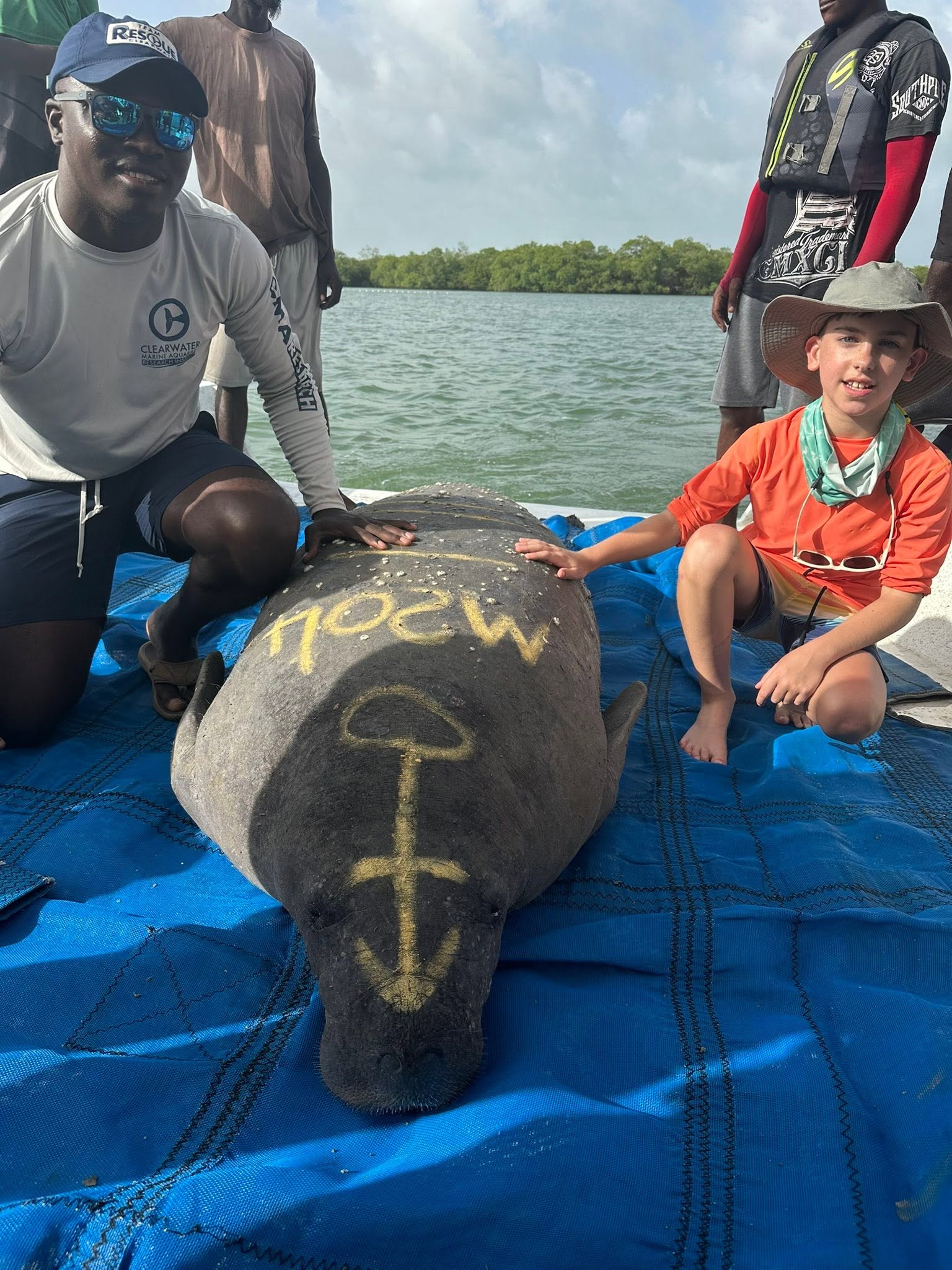
In May–June 2025, Jacob joined Clearwater Marine Aquarium Research Institute for manatee health assessments in Belize. The work is research, not a swim-with-wildlife trip. Teams locate animals in shallow water, bring them aboard for a timed exam, and release them.
Jamal Galves leads the Belize program. He invited Jacob after they met at CMA in 2024. Field mentors that season included Dr. Adrienne Adkins, Glenford Guy, Dr. Bob Bonde, and other named scientists on the boats.
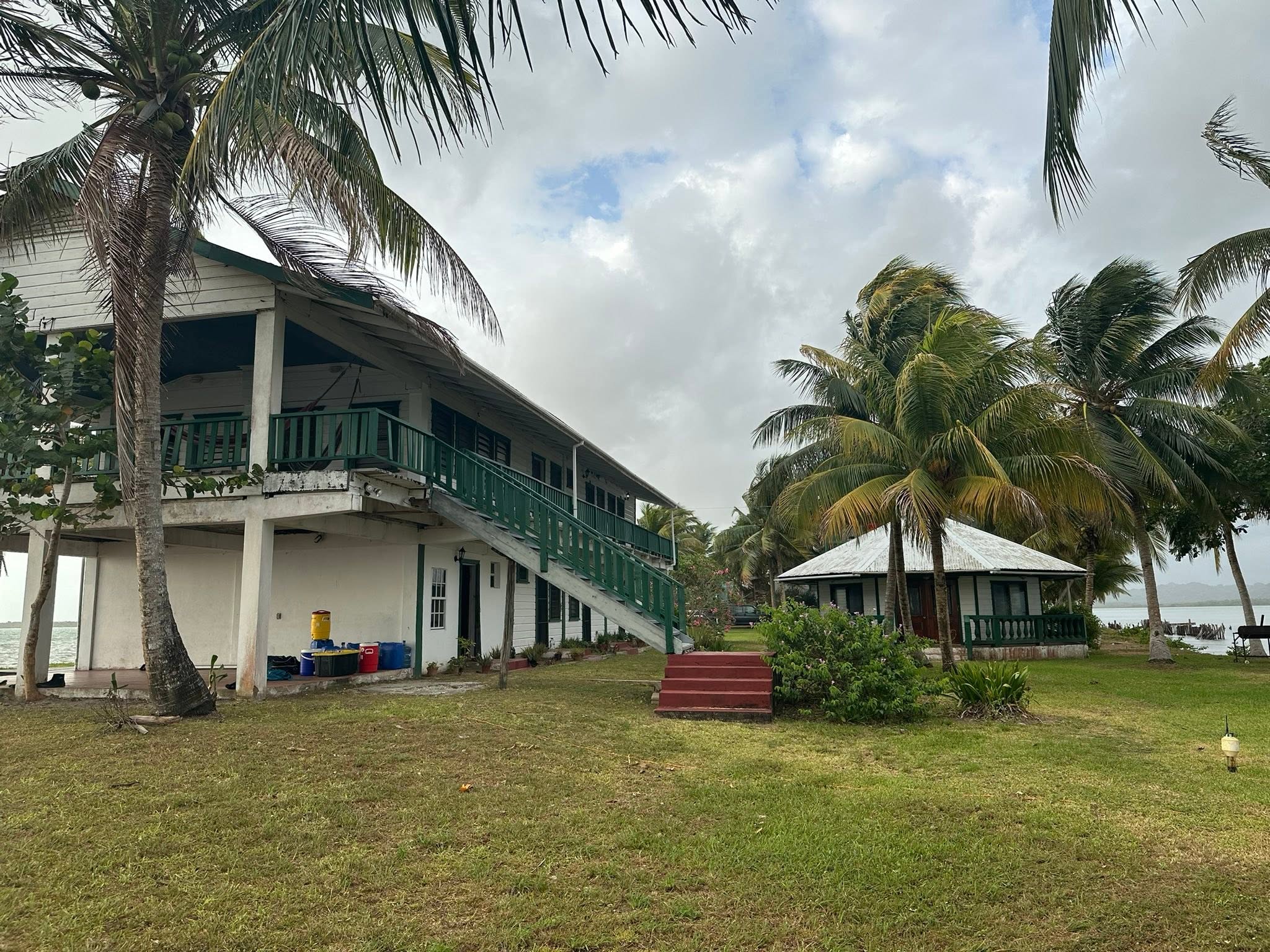
The first week was based at Gales Point Manatee, a coastal village that CMA already describes as part of this program. The second stretch was out of Placencia.
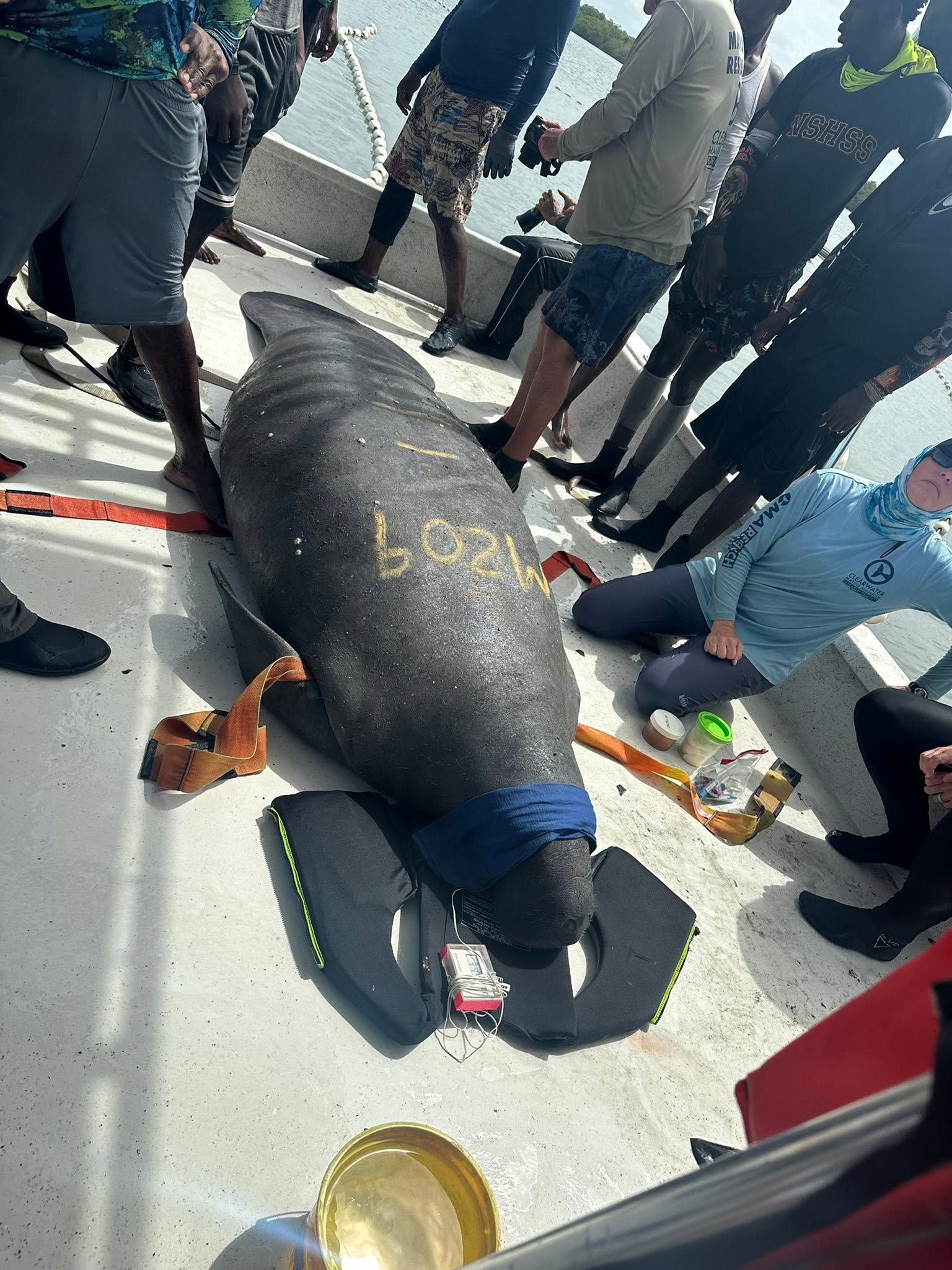
On the water, Jacob learned the exam sequence used on wild West Indian manatees: keep the animal wet and calm, watch respiration, and help with sampling and records.
Day 1 included a large male the team called Rocko. Jacob listened to the heartbeat and watched the physical exam. He also learned how blood is drawn and processed for the lab.
Day 2 had two captures. The first animal was taken during mating; the team recorded reproductive material as part of that exam. The second was a male they named Jake. Jacob helped collect a urine sample, assisted with blood sampling, repositioned a pectoral flipper, and kept the animal wet and distracted while others took a tissue sample from the paddle (the tail) and placed a tag under the skin.
Later days included a boat-strike survivor whose wounds the veterinarian cleaned, two females in Placencia, and an adult male of more than 800 lb fitted with a belt tag — a temporary, reusable tag the team described as designed to release on its own after months of tracking. One weather day went to a long drone search instead of captures. Jacob drove a support boat that afternoon.
Last water day: the team released one animal because the water was too deep for a safe capture. The second was Todd, more than 860 lb. Jacob helped stimulate breaths by wetting the snout when respiration paused for more than about a minute, then helped with the release. That one-minute pause is what he later built into the breath-tracker app — a tap for each breath, and an alert if a minute goes by without one.
After the expedition he spoke to the Rotary Club of Etowah as an aspiring marine biologist.
These weights, names, and procedures are from the 2025 trip. They are not population statistics. CMA’s Belize manatee page and NOAA publish the public science and rules.
The invitation that opened this season is on Meeting conservation heroes. The next season is Belize 2026.